Why Employers Are Moving Beyond the Traditional CV
For many years, finding a new job was relatively straightforward. You prepared a professional CV, tailored a Cover Letter to the position and waited to hear from the employer. While good recruitment has always involved careful screening and structured interviews, today’s hiring process has become considerably more sophisticated. Employers across Belgium are no longer evaluating candidates solely on the information contained within a CV. Instead, they are building a much broader picture of every applicant by combining information from multiple sources before deciding who progresses to interview.
Whether you are applying for a position with a multinational organisation in Brussels, a pharmaceutical company in Leuven, a technology business in Antwerp, an engineering employer in Ghent or a growing SME elsewhere in Belgium, your application is likely to be reviewed by both recruitment technology and human recruiters. Modern recruitment software allows employers to process hundreds, and sometimes thousands, of applications efficiently by organising candidate information, identifying relevant technical skills and helping recruiters locate applicants whose experience most closely matches the requirements of a particular vacancy.
One of the biggest misconceptions I hear from clients is that Applicant Tracking Systems (ATS) automatically reject CVs that fail to contain enough keywords. In reality, most ATS platforms don’t reject applications at all. Their primary role is to organise information, making it easier for recruiters to search candidates by job title, qualifications, software knowledge, technical expertise, industry experience and professional skills. The recruiter still decides who progresses, but a well-structured CV makes that process considerably easier.
Artificial Intelligence is also beginning to influence recruitment throughout Belgium. Rather than replacing recruiters, AI is helping employers identify patterns within applications, compare transferable skills, highlight suitable candidates and reduce administrative workload. Many organisations now combine AI with established recruitment platforms such as Workday, SAP SuccessFactors, Greenhouse, Oracle Recruiting, SmartRecruiters and Teamtailor to improve efficiency throughout the hiring process. This trend is expected to continue as employers receive increasing numbers of applications for every advertised position.
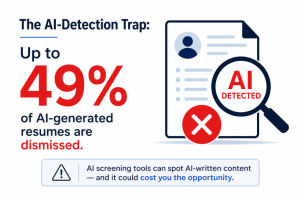
What does this mean for you as a job seeker? Quite simply, a modern CV needs to do far more than list responsibilities beneath each position you have held. Recruiters want evidence of measurable achievements, commercial awareness, technical competence, leadership experience and professional development. They are looking for candidates who can clearly demonstrate how they have added value to previous employers rather than simply describing what their role involved. At the same time, your CV should remain clear, natural and enjoyable to read. Overloading a document with repetitive keywords or generic AI-generated language rarely creates the right impression and often makes genuinely strong experience appear less convincing.
Belgium presents another important consideration. It is one of Europe’s most international employment markets, with opportunities spanning Dutch-speaking Flanders, French-speaking Wallonia and the multilingual business environment of Brussels. English is increasingly used within technology companies, pharmaceutical organisations, consultancy firms, financial services, logistics businesses and the European institutions, while many employers expect candidates to work comfortably across several languages and cultures. A successful CV should therefore communicate not only your professional experience, but also your adaptability, international outlook and ability to operate effectively within diverse working environments.
Throughout my career as The CV Doctor, I have worked with professionals, managers, executives, graduates, career changers and expats applying throughout Belgium and across Europe. Every document I prepare is written individually around the client rather than generated from a template. My objective has never been to produce the longest CV or the most visually impressive design. Instead, I focus on creating documents that communicate clearly, perform successfully within today’s recruitment technology and present each client as a credible professional capable of making a genuine contribution to their next employer.
If you’re unsure whether your current CV reflects the standard expected by today’s employers, I would encourage you to take advantage of my Free Professional CV Review. I’ll personally assess your existing document, explain how it is likely to perform within modern recruitment systems and identify the improvements that will have the greatest impact on your job search. You can also learn more about my Professional CV Writing Services in Belgium, my Executive CV Writing Service, LinkedIn Profile Writing and Cover Letter Writing Service, all of which are tailored specifically to today’s AI and ATS-driven recruitment market.
Understanding Applicant Tracking Systems (ATS)
Applicant Tracking Systems, more commonly referred to as ATS, have become one of the most misunderstood aspects of modern recruitment. Almost every week I speak with clients who believe their CV has been “rejected by the ATS” or that recruitment software automatically discards applications which fail to contain enough keywords. While these concerns are understandable, the reality is considerably less dramatic. Most Applicant Tracking Systems do not make hiring decisions. Instead, they help recruiters organise, search and manage large numbers of applications more efficiently, allowing them to identify candidates whose experience most closely matches the requirements of a particular role.
As recruitment has become increasingly digital, employers across Belgium have had little choice but to embrace recruitment technology. A vacancy advertised by a multinational employer in Brussels or Antwerp can attract several hundred applications within a matter of days. Large organisations simply cannot review every application manually without some form of technology assisting the process. Recruitment platforms such as Workday, SAP SuccessFactors, Oracle Recruiting, Greenhouse, SmartRecruiters, Lever, Teamtailor and iCIMS have therefore become standard tools throughout many Belgian and international organisations, helping recruitment teams manage applications from initial submission through to interview and eventual hiring.
The primary purpose of these systems is organisation rather than elimination. They extract information from your CV, identify recognised job titles, qualifications, technical skills, certifications, software knowledge, languages and employment history before creating a searchable candidate profile. Recruiters can then filter candidates using combinations of keywords that are relevant to the vacancy they are recruiting for. If an employer is looking for a Mechanical Engineer with AutoCAD, Lean Manufacturing and Project Management experience, the system simply helps identify candidates who appear to possess those skills. The recruiter still reviews the applications and makes the final judgement.
This is why the structure of your CV has become increasingly important. Documents filled with complex graphics, unnecessary text boxes, multiple columns or inconsistent formatting may make it more difficult for recruitment software to identify the information it needs. Equally, a CV that lacks recognised job titles, measurable achievements or industry terminology can make it harder for recruiters to locate your application when searching their database. That does not mean you should write purely for software. A CV overloaded with repetitive keywords often reads unnaturally and quickly loses credibility once a recruiter begins reading it.
One of the biggest mistakes I see is candidates trying to “beat the ATS” by copying large sections of the job description directly into their CV. Recruitment software has become increasingly sophisticated, and experienced recruiters recognise this approach immediately. A far more effective strategy is to describe your genuine experience using the language employers naturally use within your industry. If you have managed international projects, implemented Lean Manufacturing, led software development teams or delivered measurable sales growth, those achievements should be communicated clearly and honestly rather than hidden beneath generic responsibilities or unnecessary jargon.
Another misconception is that ATS optimisation simply means adding more keywords. In reality, successful optimisation begins much earlier. It starts with understanding the type of position you are targeting, identifying the language employers consistently use when describing those roles and presenting your experience using terminology that accurately reflects your background. A Project Manager working within construction will naturally use different language to someone managing software implementation projects, despite sharing the same job title. Understanding these distinctions often has a far greater impact than simply repeating individual keywords throughout the document.
Belgium’s international employment market also adds another layer of complexity. Many employers recruit across several countries simultaneously, particularly within pharmaceuticals, engineering, technology, finance, logistics and consulting. As a result, your CV may be reviewed by recruiters based in Brussels, Amsterdam, Luxembourg, Paris or elsewhere in Europe before it reaches the hiring manager. Your document therefore needs to communicate clearly across different recruitment cultures while remaining suitable for both local Belgian employers and multinational organisations operating internationally.
At ProCV.be, every CV I write is designed to perform successfully within today’s recruitment systems without sacrificing readability or professionalism. I focus on clear structure, recognised industry terminology and measurable achievements rather than gimmicks or keyword stuffing. My objective is always the same: to ensure your CV communicates your experience naturally while making it as easy as possible for both recruitment software and human recruiters to recognise the value you can bring to an organisation.
If you’re unsure whether your current CV is likely to perform well within today’s recruitment systems, I would encourage you to request a Free CV Review. I’ll explain how your document is likely to be interpreted by modern recruitment software, identify any weaknesses within the layout or content and recommend practical improvements based on the type of opportunities you are targeting. You can also learn more about my ATS-Friendly CV Writing Service, Professional CV Writing Services, Executive CV Writing, LinkedIn Profile Optimisation and contact me directly if you have any questions about preparing your CV for today’s recruitment market.
Why LinkedIn Has Become Your Second CV
It wasn’t that long ago that LinkedIn was viewed simply as an online version of your CV. Today, it has become one of the most important recruitment platforms in the world and plays a significant role in how employers identify, evaluate and approach potential candidates. For many organisations across Belgium, your LinkedIn profile is no longer an optional extra. It has effectively become your second CV, providing recruiters with a broader understanding of your experience, professional interests, career progression and industry expertise before they ever contact you.
Recruitment has become far more proactive over the past decade. Rather than waiting for suitable candidates to submit applications, recruiters now spend a significant proportion of their time searching directly for professionals using LinkedIn Recruiter and similar talent acquisition platforms. Employers regularly search for candidates using combinations of job titles, technical skills, software knowledge, industry experience, qualifications, languages and geographical locations. If your profile is incomplete or poorly written, you may never appear within those searches regardless of how strong your experience actually is.
This is particularly relevant within Belgium’s international employment market. Organisations operating in Brussels, Antwerp, Ghent and Leuven frequently recruit across multiple countries, with English often serving as the common business language. Recruiters may be searching simultaneously for candidates throughout Belgium, Luxembourg, the Netherlands, Germany and France, particularly within sectors such as technology, pharmaceuticals, engineering, finance, logistics, life sciences and consulting. A professionally written LinkedIn profile significantly improves your visibility within these searches while reinforcing the experience presented in your CV.
One of the most common mistakes I see is treating LinkedIn as nothing more than a place to copy and paste the contents of an existing CV. While consistency is important, the two documents serve slightly different purposes. Your CV is designed to secure an interview for a specific position. LinkedIn, on the other hand, should present your wider professional story while encouraging recruiters to learn more about your background. It provides opportunities to demonstrate thought leadership, professional interests, career progression and industry involvement that may not naturally fit within a two or three-page CV.
Your headline, About section and professional summary are particularly important because they are often the first elements recruiters see within LinkedIn search results. These sections should communicate who you are professionally, the value you bring to employers and the type of opportunities you are interested in pursuing. Rather than relying on generic descriptions such as “experienced professional” or “results-driven manager”, your profile should clearly identify your specialist expertise while naturally incorporating the terminology employers genuinely use when searching for candidates within your field.
Recommendations, professional certifications, project work and ongoing learning have also become increasingly valuable. Employers are interested not only in where you have worked, but also in how colleagues describe your contribution, the skills you continue to develop and the professional communities you engage with. For senior candidates, this wider professional presence often reinforces leadership credibility long before the interview process begins.
Many Applicant Tracking Systems now integrate directly with LinkedIn, allowing recruiters to compare the information contained within your application against your public professional profile. Significant inconsistencies between the two can raise unnecessary questions during the recruitment process. Employment dates, job titles, responsibilities and career progression should therefore remain aligned, even though each document is written for a slightly different purpose.
As part of my LinkedIn Profile Writing Service, I create profiles that complement rather than duplicate your CV. Every profile is written individually, strengthening your professional brand while improving your visibility within recruiter searches across Belgium and throughout the wider European employment market. Combined with a professionally written CV and Cover Letter, LinkedIn becomes another powerful tool for generating interviews rather than simply acting as an online CV.
If your LinkedIn profile hasn’t been updated for several years, or if it simply mirrors your existing CV, it may be limiting opportunities without you even realising it. I regularly review LinkedIn profiles alongside my Free CV Review Service, identifying opportunities to strengthen both documents so they work together as part of one consistent professional brand. You can also contact me directly if you would like advice on improving your online professional presence before beginning your next job search.
Preparing for Online Recruitment Assessments
Writing a strong CV is only one part of securing your next position. Many employers throughout Belgium now assess candidates long before the first interview takes place. Depending on the organisation, applicants may be asked to complete online reasoning tests, personality assessments, technical exercises, coding challenges, psychometric testing or recorded video interviews before progressing further in the recruitment process. These assessments have become increasingly common across graduate programmes, multinational organisations, engineering companies, pharmaceutical businesses, financial institutions and technology employers, particularly when recruiting for highly competitive positions.
Although these assessments can feel intimidating, they should not be viewed as barriers designed to catch candidates out. Their primary purpose is to help employers compare applicants fairly and consistently while reducing the time required to shortlist large numbers of people. Instead of relying solely on qualifications or previous job titles, organisations increasingly want evidence of logical thinking, communication skills, problem-solving ability, technical competence and behavioural characteristics that suggest someone will perform successfully within the role.
Across Belgium, employers regularly use Numerical Reasoning Tests, Verbal Reasoning Tests, Logical Reasoning Assessments, Situational Judgement Tests, Personality Questionnaires and technical evaluations as part of their recruitment process. Engineering organisations may require technical calculations or design exercises, while software companies frequently assess coding ability through practical programming tasks. Executive recruitment often includes leadership assessments, business case studies and strategic presentations, while graduate programmes may combine several different exercises into a full assessment centre lasting an entire day.
Many of these assessments are delivered through internationally recognised providers such as SHL, Hogan Assessments, Korn Ferry, Thomas International, Aon Assessment Solutions, Saville Assessment, Talent Q and Predictive Index. These organisations work with employers throughout Europe to provide structured assessments that help recruiters evaluate candidates objectively while reducing unconscious bias during the recruitment process. Although every employer uses these platforms differently, the underlying objective remains the same: identifying candidates who demonstrate the strongest combination of technical competence, professional behaviours and long-term potential.
Preparation makes an enormous difference. Candidates often assume these assessments simply measure natural ability, but familiarity with the format, time limits and style of questioning can significantly improve performance. Understanding how numerical reasoning questions are structured, learning to manage time effectively and practising under realistic conditions all contribute towards greater confidence when completing assessments under pressure. The same principle applies to recorded video interviews, where preparation allows candidates to communicate more naturally rather than struggling to organise their thoughts while the recording timer counts down.
Interview preparation has also evolved alongside these assessments. Employers increasingly expect candidates to provide structured examples demonstrating leadership, teamwork, decision-making, conflict resolution, stakeholder management and measurable business outcomes. Competency-based interviewing has become the standard across many sectors, meaning candidates should be prepared to discuss genuine examples from their own careers rather than speaking only in general terms. The strongest candidates are usually those who can explain not only what they did, but why they did it, how they approached the challenge and what results they ultimately achieved.
At ProCV.be, my role extends far beyond simply writing CVs. Every client receives advice that reflects the realities of today’s recruitment market, helping them understand what to expect after submitting an application. Whether you’re applying for your first graduate position, progressing into management, relocating to Belgium or pursuing an executive appointment, understanding the wider recruitment process often provides a significant competitive advantage. A professionally written CV, a targeted Cover Letter and a well-optimised LinkedIn profile all work together to secure interviews, but preparing properly for the assessments and interviews that follow is equally important.
If you’re unsure what to expect from modern recruitment or you’re returning to the job market after several years, I’d recommend beginning with my Free Professional CV Review. I’ll assess your current CV, explain how it is likely to perform within today’s recruitment environment and provide honest advice on strengthening your overall application before you begin applying for your next opportunity.
Artificial Intelligence Is Reshaping Recruitment
Artificial Intelligence has become one of the most talked-about developments in recruitment, yet it is also one of the least understood. Every week I speak with clients who are concerned that AI is now making every hiring decision, automatically rejecting CVs or replacing recruiters altogether. The reality is considerably more balanced. Artificial Intelligence is changing recruitment, but it is primarily being used to support recruiters rather than replace them. The organisations that adopt AI successfully are using it to improve efficiency, reduce administrative tasks and identify suitable candidates more quickly, allowing recruiters to spend more time evaluating people rather than processing paperwork.
Across Belgium, employers are receiving significantly more applications than they did even five years ago. A single vacancy within engineering, pharmaceuticals, technology or finance can easily attract several hundred applications within a matter of days. Reviewing every CV manually is becoming increasingly difficult, particularly for multinational organisations recruiting across several countries simultaneously. Artificial Intelligence helps address this challenge by analysing applications, comparing candidate skills with job requirements and highlighting applicants whose experience appears most closely aligned with the vacancy.
Many of today’s recruitment platforms already incorporate AI alongside traditional Applicant Tracking Systems. Solutions including Workday, SAP SuccessFactors, Oracle Recruiting, Greenhouse, SmartRecruiters, Eightfold AI and Phenom use varying levels of artificial intelligence to assist recruiters throughout the hiring process. These platforms may identify transferable skills, recommend suitable candidates, automate interview scheduling or help recruiters search extensive candidate databases more efficiently. Rather than replacing professional judgement, AI provides recruiters with additional information that supports better hiring decisions.
One of the biggest developments within modern recruitment is the growing emphasis on skills-based hiring. Historically, employers often concentrated heavily on job titles and previous employers when evaluating candidates. Artificial Intelligence is helping shift that focus towards transferable skills, technical capability and measurable achievements. Someone who has successfully managed international projects, introduced new technology, improved operational performance or delivered significant commercial results may now be identified even if their previous job title differs from the one being advertised. This represents an important opportunity for professionals changing industries, relocating internationally or progressing into more senior positions.
At the same time, AI has created new challenges for job seekers. The widespread availability of AI writing tools has resulted in many applications sounding remarkably similar. Recruiters are becoming increasingly familiar with generic, repetitive language that lacks genuine evidence or personal insight. Simply asking an AI tool to write your CV rarely produces a document capable of distinguishing you from other candidates because the underlying information remains too general. Employers still want to understand what you achieved, how you solved problems and the specific contribution you made throughout your career.
This is where professional CV writing continues to make a real difference. Artificial Intelligence can certainly assist with grammar, structure and initial ideas, but it cannot replace detailed conversations about your career, identify the strongest commercial achievements from twenty years of experience or understand how your background should be positioned for a particular industry. Every successful CV tells a unique professional story built around genuine experience rather than generic descriptions. That remains a fundamentally human process.
At ProCV.be, I use technology in exactly the same way I encourage employers to use it: as a tool rather than a replacement for professional expertise. Every CV is researched, written and edited personally, ensuring the final document communicates naturally while remaining fully compatible with today’s AI-supported recruitment platforms. My objective is to present your experience clearly, incorporate the terminology employers genuinely use within your industry and produce a document that performs equally well with recruitment software and the people responsible for making the final hiring decision.
If you’re concerned about how Artificial Intelligence is influencing recruitment, or you’re unsure whether your current CV reflects the expectations of today’s employers, I’d recommend starting with my Free Professional CV Review. I’ll assess your existing CV from both a recruiter and an AI/ATS perspective, explaining where improvements can be made before recommending the most appropriate CV Writing Service, Executive CV, LinkedIn Profile or Cover Letter service for your individual career goals.
Recruitment Software: The Technology Powering Modern Hiring
Technology has transformed almost every aspect of recruitment. What was once a relatively straightforward process involving printed CVs and manual shortlisting has evolved into an increasingly sophisticated digital environment where recruitment software supports every stage of hiring. From advertising vacancies and managing applications to scheduling interviews and onboarding successful candidates, employers now rely on integrated recruitment platforms that help them recruit more efficiently while improving the overall candidate experience.
Across Belgium, organisations of every size are investing in recruitment technology. Large multinational employers, pharmaceutical companies, financial institutions, engineering firms, logistics providers and government organisations routinely receive hundreds of applications for a single vacancy. Without technology, reviewing, organising and comparing this volume of information would be almost impossible. Recruitment software allows employers to centralise candidate information, automate administrative tasks and ensure every application is managed consistently from submission through to appointment.
Many of the world’s largest organisations operating in Belgium use enterprise recruitment platforms including Workday Recruiting, SAP SuccessFactors and Oracle Recruiting Cloud. Others prefer specialist Applicant Tracking Systems such as Greenhouse, Lever, SmartRecruiters, Teamtailor, Recruitee and iCIMS. Recruitment consultancies frequently use Bullhorn, Vincere and similar CRM platforms to manage both candidates and client relationships, while newer AI-powered solutions such as Eightfold AI, Phenom and Paradox are helping employers improve candidate matching and automate elements of the recruitment process.
Although these platforms differ considerably in functionality, they all share one objective: helping recruiters identify the strongest candidates more efficiently. Rather than reading every CV from beginning to end, recruiters can search databases using recognised job titles, technical competencies, qualifications, software knowledge, certifications, languages and industry-specific skills. Candidates whose experience is communicated clearly are naturally easier to locate than those whose CVs rely on vague descriptions or inconsistent terminology.
This is one of the reasons I encourage clients to think beyond the appearance of their CV. A professionally designed document is important, but presentation alone rarely secures interviews. Modern recruitment software is looking for structure, clarity and relevance. Recruiters want to understand what you’ve achieved, the industries you’ve worked within, the technologies you’ve used and the value you’ve delivered throughout your career. A clean, well-written CV will nearly always outperform an overly designed document that sacrifices clarity for visual impact.
Belgium’s recruitment market is also becoming increasingly international. Many employers recruit simultaneously across Belgium, Luxembourg, the Netherlands, Germany and France, particularly within sectors such as engineering, life sciences, logistics, technology, finance and consulting. This means your CV may be reviewed by recruiters from several different countries before reaching the hiring manager. A professionally written document should therefore communicate effectively regardless of where the recruiter happens to be based.
At ProCV.be, I write every CV with today’s recruitment technology firmly in mind. My documents combine clear structure, recognised industry terminology and measurable achievements with natural, professional writing that reflects your genuine experience. Whether you’re applying to a Belgian SME, a global technology company, a European institution or an international consultancy, your CV should communicate confidently with both recruitment software and the people responsible for making the final hiring decision.
If you’re unsure whether your current CV reflects the expectations of today’s employers, you can request a Free Professional CV Review. I’ll explain how your document is likely to perform within modern recruitment systems and recommend the most appropriate Professional CV Writing Service, Executive CV Service, LinkedIn Profile Writing or Cover Letter Writing Service based on your career goals.
Interview Preparation: Turning Interviews into Job Offers
Securing an interview is an important milestone, but it is only one stage of the recruitment process. Many candidates invest considerable time improving their CV yet devote very little preparation to the interview itself. Unfortunately, this is often where otherwise excellent candidates lose opportunities. Employers assume that everyone invited to interview possesses the technical skills required for the role. The interview is designed to discover something different. They want to understand how you think, communicate, solve problems and contribute within a professional environment.
Throughout Belgium, employers are increasingly using structured interview techniques that focus on evidence rather than opinion. Behavioural and competency-based interviews have become common across engineering, finance, pharmaceuticals, technology, healthcare, logistics and public sector recruitment. Rather than asking hypothetical questions, recruiters expect candidates to describe genuine situations from their previous experience, explaining the challenge they faced, the action they took and the outcome they achieved. This allows employers to understand not only what you know, but how you apply that knowledge within the workplace.
Senior appointments often involve several stages of assessment. Executive candidates may be asked to deliver presentations, complete business case studies or participate in panel interviews involving multiple stakeholders. Technical positions frequently include practical exercises, while graduate programmes may combine interviews with psychometric testing and assessment centre activities. Recorded video interviews have also become increasingly common, allowing employers to assess large numbers of candidates before progressing to face-to-face meetings.
Preparation is therefore essential. Understanding the organisation, researching its products or services, reviewing the job description carefully and preparing structured examples from your own career will significantly improve both your confidence and your performance. Employers rarely expect perfect answers. What they do expect is authenticity, self-awareness and the ability to explain your professional experience clearly and honestly.
I encourage every client to think beyond individual responsibilities when preparing for interviews. Instead of simply describing what your role involved, consider the challenges you overcame, the improvements you introduced, the relationships you developed and the measurable outcomes you achieved. Those are the examples that demonstrate professional value and distinguish one candidate from another.
At ProCV.be, I work with clients throughout the entire recruitment process rather than focusing solely on the written documents. A professionally written CV, targeted Cover Letter and optimised LinkedIn profile should all lead naturally towards interview invitations. Understanding how to perform confidently once those interviews arrive is equally important if your objective is to secure the job rather than simply generate more interviews.
If you’re returning to the job market after several years, changing careers or preparing for senior interviews within Belgium or elsewhere in Europe, I would recommend beginning with a Free Professional CV Review. Together we can ensure both your CV and your interview preparation reflect the expectations of today’s recruitment market.
Working Across Belgium’s Multilingual Recruitment Market
One of the most distinctive aspects of working in Belgium is the country’s multilingual and international employment market. Unlike many other European countries, recruitment expectations can vary considerably depending on the region, the organisation and the role itself. A vacancy in Antwerp may primarily require Dutch, while a similar opportunity in Liège is likely to be conducted in French. In Brussels, however, English has become the language of business for many multinational organisations, European institutions, technology companies, consultancies and international NGOs. Understanding these differences before you begin applying can make a significant difference to both the quality of your applications and the number of interviews you secure.
Many international professionals assume they need to translate their CV into Dutch or French before applying for positions in Belgium. While this is certainly appropriate for some employers, it is by no means a universal rule. Thousands of organisations actively recruit in English, particularly within sectors such as pharmaceuticals, biotechnology, engineering, software development, artificial intelligence, finance, logistics, manufacturing and consulting. European institutions, NATO, international law firms and many multinational headquarters based in Brussels also recruit primarily through English, particularly for management, technical and specialist positions.
The key is understanding the market you are targeting rather than applying a single approach to every application. A CV prepared for an English-speaking multinational organisation should not necessarily be written in exactly the same way as one intended for a local Belgian employer. Recruiters often expect different levels of detail, different terminology and varying emphasis on language skills depending on the organisation. Presenting your experience in a way that reflects those expectations immediately demonstrates professionalism and an understanding of the recruitment environment.
Language ability itself has also become a significant competitive advantage. Many employers are no longer searching simply for Dutch speakers or French speakers. Instead, they increasingly value professionals who can communicate confidently across several languages while working within international teams. If you possess strong English alongside Dutch, French or German, your CV should communicate that clearly without exaggerating your level of proficiency. Recruiters appreciate honesty, and accurately presenting your language abilities often strengthens your credibility far more than using vague descriptions or inconsistent language scales.
International experience has become equally valuable. Belgium’s economy is heavily connected with neighbouring countries and the wider European Union, meaning many organisations regularly collaborate with colleagues, suppliers and customers throughout Europe and beyond. Experience gained in Ireland, the United Kingdom, Germany, the Netherlands, France, Switzerland, the Nordic countries or elsewhere internationally is frequently viewed as an asset rather than an obstacle, provided it is presented in a way that demonstrates adaptability, cultural awareness and commercial understanding.
Throughout my career I’ve worked with professionals relocating to Belgium from every corner of the world. Some are senior executives joining multinational organisations in Brussels, while others are engineers, software developers, project managers, financial professionals or graduates taking the next step in their international careers. Although every client’s background is different, the objective remains remarkably consistent: presenting genuine experience in a format that Belgian employers immediately understand and value.
At ProCV.be, every document is written around the market you are actually targeting rather than relying on generic international templates. Whether you’re applying for opportunities in Brussels, Antwerp, Ghent, Leuven, Liège, Bruges or elsewhere across Belgium, your Professional CV, Cover Letter and LinkedIn profile will be tailored to the expectations of the employers you want to work for. I also regularly support clients applying throughout Luxembourg, the Netherlands, Germany, France, Switzerland, Ireland and the wider European employment market, ensuring each application reflects both local recruitment expectations and international best practice.
If you’re planning to relocate to Belgium or would simply like honest advice on the most appropriate approach for your target market, I’d recommend beginning with my Free Professional CV Review. Together we can discuss your career goals, the sectors you’re targeting and the most effective strategy for positioning your experience within Belgium’s increasingly competitive and multilingual recruitment market.
Why Work Directly With The CV Doctor?
Choosing a professional CV writing service is an important decision, particularly if you’re applying for senior positions or planning a significant career move. There are now hundreds of CV writing companies operating throughout Europe, many of which rely on large teams of freelance writers working from templates or standard questionnaires. While this approach may produce a professionally presented document, it rarely captures the individual story behind a person’s career. No two careers are the same, and your CV should reflect that.
One of the principles that has guided my business for more than a decade is that every client deserves an individual service. When you work with ProCV.be, you work directly with me from beginning to end. I personally review your existing CV, research your target market, identify the strengths within your background and write every document myself. Nothing is outsourced and you are never passed between account managers, sales staff or anonymous writers who know very little about your career.
This personal approach allows me to understand far more than your employment history. During the writing process we discuss your career goals, the industries you wish to target, the countries you’re interested in working within and the challenges you may be facing in your current job search. For some clients that means repositioning years of management experience for executive appointments. For others it involves helping graduates present limited experience more confidently or supporting professionals relocating to Belgium from elsewhere in Europe or further afield.
I’ve worked with professionals from almost every industry imaginable, including engineering, pharmaceuticals, biotechnology, information technology, cybersecurity, finance, banking, logistics, manufacturing, healthcare, sales, marketing, procurement, legal services, construction, renewable energy, hospitality, aviation, education, artificial intelligence, executive leadership and the public sector. Although every profession has its own terminology and recruitment expectations, employers are ultimately looking for the same thing: evidence that you have consistently delivered value throughout your career and can do the same for them.
Another advantage of working directly with an experienced CV writer is that your documents evolve through discussion rather than automation. As we work together, we often uncover significant achievements that were missing entirely from the original CV. Clients regularly tell me they had forgotten projects, commercial improvements, leadership responsibilities or international experience that ultimately become some of the strongest selling points within the finished document. Those conversations simply don’t happen when a CV is produced automatically or delegated to someone who has never spoken to you.
Every project is written with the same objective in mind: creating a professional CV that reflects who you are, communicates naturally and positions you competitively within today’s recruitment market. That includes ensuring your Professional CV, Cover Letter and LinkedIn profile work together as one consistent professional brand. Whether you’re targeting opportunities in Brussels, Antwerp, Ghent, Leuven, Liège or elsewhere across Europe, your application should tell a clear and convincing story from beginning to end.
If you’d like to understand how I work before making any commitment, I’d encourage you to visit my About The CV Doctor page or simply upload your current CV using my Free Professional CV Review service. I’ll personally review your document, explain where improvements can be made and recommend the most appropriate service based entirely on your own career goals rather than a standard package.
Professional CV Writing Services Across Belgium and Europe
Although ProCV.be focuses specifically on the Belgian employment market, the reality is that many of my clients are applying across several countries at the same time. Belgium’s central location within Europe, together with its international economy, means professionals frequently consider opportunities in neighbouring countries as well as within Belgium itself. It is increasingly common for candidates to apply simultaneously for positions in Brussels, Luxembourg, Amsterdam, Rotterdam, Paris, Cologne, Frankfurt, Dublin and other major European business centres, particularly within multinational organisations.
This international perspective has become one of the defining features of my work. Over the past decade I have prepared CVs, Cover Letters and LinkedIn profiles for professionals targeting opportunities throughout Belgium, the Netherlands, Luxembourg, Germany, France, Ireland, Switzerland, Austria, Sweden, Denmark, Norway, Finland, Spain, Portugal, Italy, the United Kingdom, the United States, Canada, Australia and the Middle East. While the fundamentals of good CV writing remain consistent, recruitment expectations often differ from one country to another. Understanding those differences allows candidates to present themselves more effectively within each market.
Belgium itself offers an exceptional range of opportunities across many industries. Brussels continues to attract professionals working within European institutions, international relations, public affairs, law, finance and consulting. Antwerp remains a major centre for logistics, shipping, engineering, petrochemicals and international trade. Ghent has developed a strong reputation for life sciences, biotechnology and advanced manufacturing, while Leuven is recognised globally for research, innovation and technology. Liège, Charleroi, Bruges, Hasselt, Namur and Mechelen all offer growing opportunities across engineering, healthcare, education, manufacturing and professional services.
Every CV I prepare is therefore tailored not only to the role itself but also to the recruitment market in which it will be used. A candidate applying for a senior engineering position within Antwerp’s manufacturing sector may require a different emphasis to someone targeting European Commission opportunities in Brussels or pharmaceutical research roles in Leuven. Small adjustments to language, structure and professional positioning often have a significant impact on how your application is received.
Whether you’re an experienced executive, an ambitious manager, a graduate beginning your career or an international professional relocating to Belgium, my objective remains exactly the same: producing documents that communicate your experience clearly, accurately and professionally while reflecting the expectations of today’s employers. Through Professional CV Writing Services, Executive CV Writing, LinkedIn Profile Optimisation, Cover Letter Writing and my Free CV Review Service, I help clients compete confidently throughout Belgium and across the wider European employment market.
Upload Your CV for a Free Professional Review
One of the questions I’m asked most frequently is whether a CV is really the reason someone isn’t getting interviews. The honest answer is that it often plays a much bigger role than people realise. Over the years I’ve reviewed thousands of CVs from professionals across Belgium, Ireland and the wider European market, and many contain exactly the same problems. Strong careers are hidden behind generic job descriptions, measurable achievements are missing entirely, valuable technical expertise is buried within long paragraphs and career progression is often far less obvious than it should be. In many cases the experience is excellent, but the document simply isn’t communicating that experience effectively.
Modern recruitment has become far more competitive than it was even a few years ago. Employers receive larger numbers of applications, recruiters have less time to review individual CVs and recruitment technology plays a greater role in organising and searching applications. This means your CV needs to create a positive impression almost immediately. Recruiters should be able to understand your background, your specialisms and your professional value within the first minute or two of reading your document. If they have to search for important information, there’s a good chance they’ll simply move on to the next application.
That is exactly why I offer a Free Professional CV Review. Before recommending any service, I personally review your current CV and assess how it is likely to perform within today’s recruitment market. I look at the overall structure, readability, professional positioning, measurable achievements, ATS compatibility, language, formatting and how effectively your experience has been communicated. I also consider the roles you’re targeting, the industries you wish to work within and whether your CV reflects the expectations of employers in Belgium or elsewhere across Europe.
Unlike automated CV checking tools, my review is carried out by someone who has spent more than a decade writing CVs for professionals, managers and executives across a wide range of industries. Automated scoring systems can sometimes highlight formatting issues or missing keywords, but they cannot understand the commercial value of your experience or recognise the strongest achievements within your career. That judgement still requires experience, recruitment knowledge and an understanding of how employers actually recruit.
Following the review, I’ll explain honestly where your CV performs well, where improvements can be made and which changes are likely to have the greatest impact on your applications. Sometimes those improvements are relatively small. In other cases a complete rewrite is the most effective option. Every recommendation is based entirely on your own career rather than a standard package or sales process.
If you decide to proceed, I’ll then work directly with you to prepare a professionally written CV, Cover Letter and LinkedIn Profile that reflect your experience accurately while positioning you competitively within today’s recruitment market. Every document is written personally and tailored specifically to your target industry, career level and future ambitions.
Whether you’re applying for your first graduate position, progressing into management, pursuing an executive appointment or relocating to Belgium from elsewhere in Europe, the first step remains the same. Upload your current CV using my Free Professional CV Review Service. I’ll personally assess your document, provide honest feedback and explain exactly how we can strengthen your application before you begin your next job search.
The CV Doctor – Helping Professionals Succeed Across Belgium and Europe
My objective has always been very simple. I want every client to submit applications with confidence, knowing that their CV accurately reflects the quality of their experience and positions them competitively within today’s recruitment market. Whether you’re applying for opportunities in Brussels, Antwerp, Ghent, Leuven, Liège, Bruges, Namur, Hasselt or elsewhere across Belgium, your application should present you as the professional you have become rather than simply documenting where you’ve worked.
During more than ten years as a professional CV writer, I’ve had the privilege of working with graduates beginning their careers, experienced professionals seeking promotion, senior managers moving into executive leadership, business owners, international consultants, engineers, software developers, financial specialists, scientists, project managers, healthcare professionals and candidates relocating throughout Europe. Every career has its own story, its own challenges and its own strengths. My role is to identify those strengths and communicate them in a way that employers immediately recognise and understand.
Recruitment will continue to evolve. Artificial Intelligence will become more sophisticated, recruitment software will continue to develop and employers will undoubtedly refine the way they identify and assess talent. Despite these changes, one thing remains constant. Organisations still recruit people. They still want individuals who can solve problems, lead teams, improve performance, communicate effectively and contribute positively to their business. Technology may influence the recruitment process, but genuine experience, credibility and professionalism will always remain the qualities that secure job offers.
If you’re ready to modernise your CV, improve your professional profile and compete more confidently within today’s AI and ATS-driven recruitment market, I’d be delighted to help. Start by requesting your Free Professional CV Review, explore my CV Writing Services, learn more About The CV Doctor or contact me directly if you have any questions. I look forward to helping you take the next step in your career.
Why English-Language CVs Are Becoming Increasingly Important in Belgium
One of the biggest changes I’ve seen during the past decade is the growing demand for professionally written English-language CVs. While Belgium remains a multilingual country with Dutch, French and German recognised as official languages, English has firmly established itself as the language of international business. For many professionals, particularly those targeting multinational organisations, European institutions and globally focused employers, an English-language CV is no longer simply an advantage. It has become an expectation.
This is particularly evident in Brussels, where thousands of international organisations operate alongside European Union institutions, NATO, multinational corporations, consultancy firms, financial services companies and technology businesses. English is frequently the common language between colleagues, clients and stakeholders from dozens of different nationalities. Even organisations headquartered in Flanders or Wallonia increasingly recruit internationally, meaning English often becomes the practical working language regardless of where the business is physically located.
Many of my clients initially assume that every Belgian employer expects a Dutch or French CV. While this is certainly true for some positions, it is far from universal. Engineering companies, pharmaceutical organisations, biotechnology firms, software developers, cybersecurity businesses, logistics providers, financial institutions and international consultancies regularly advertise vacancies entirely in English. Employers are often interested in attracting the strongest available talent rather than limiting recruitment to candidates from a single language group. A professionally written English-language CV therefore opens considerably more opportunities, particularly for candidates with international ambitions.
Another advantage of preparing your CV in English is flexibility. Belgium’s central position within Europe means many professionals apply simultaneously for opportunities in Brussels, Amsterdam, Luxembourg, Frankfurt, Paris, Dublin or Zurich. Rather than preparing separate documents for every country, a professionally written English-language CV can often be adapted quickly for different recruitment markets while maintaining a consistent professional message. This approach is particularly valuable for executives, project managers, engineers, consultants, technology professionals and candidates pursuing careers with multinational organisations.
Writing an effective English-language CV, however, involves much more than translating an existing document. Direct translations often produce awkward language, unfamiliar job titles or expressions that simply do not sound natural to international recruiters. Employers immediately recognise when a document has been translated rather than written professionally in English. The strongest CVs communicate fluently, use internationally recognised terminology and reflect the language employers themselves use when describing positions within your profession.
This is particularly important for senior appointments. Executive recruiters, headhunters and international employers expect a high standard of written communication. A well-written English CV demonstrates professionalism before the interview process has even begun, while poor grammar, inconsistent terminology or unnatural phrasing can undermine otherwise excellent experience. For professionals competing internationally, the quality of written English often becomes part of the overall assessment.
Throughout my career I’ve specialised in preparing professional English-language CVs for clients throughout Belgium and across Europe. My clients include executives, managers, engineers, scientists, IT specialists, finance professionals, project managers, graduates and international candidates relocating from every part of the world. Whether English is your first language or your fifth, my objective is always the same: producing a document that reads naturally, reflects your experience accurately and positions you confidently within today’s international recruitment market.
At ProCV.be, I prepare Professional English-Language CVs, Executive CVs, Cover Letters and LinkedIn Profiles for professionals targeting opportunities throughout Belgium, the European Union and the wider international employment market. Every document is written individually and tailored to the organisations you genuinely want to work for rather than relying on generic templates or automated translation software.
If you’re unsure whether an English-language CV is the right choice for your career goals, I’d be happy to advise you. Simply upload your current CV through my Free Professional CV Review, and I’ll explain which language, format and overall approach is likely to give you the strongest chance of success within your chosen sector and target market.
Why English-Language CVs Are Becoming Increasingly Important in Belgium
One of the biggest changes I’ve seen during the past decade is the growing demand for professionally written English-language CVs. While Belgium remains a multilingual country with Dutch, French and German recognised as official languages, English has firmly established itself as the language of international business. For many professionals, particularly those targeting multinational organisations, European institutions and globally focused employers, an English-language CV is no longer simply an advantage. It has become an expectation.
This is particularly evident in Brussels, where thousands of international organisations operate alongside European Union institutions, NATO, multinational corporations, consultancy firms, financial services companies and technology businesses. English is frequently the common language between colleagues, clients and stakeholders from dozens of different nationalities. Even organisations headquartered in Flanders or Wallonia increasingly recruit internationally, meaning English often becomes the practical working language regardless of where the business is physically located.
Many of my clients initially assume that every Belgian employer expects a Dutch or French CV. While this is certainly true for some positions, it is far from universal. Engineering companies, pharmaceutical organisations, biotechnology firms, software developers, cybersecurity businesses, logistics providers, financial institutions and international consultancies regularly advertise vacancies entirely in English. Employers are often interested in attracting the strongest available talent rather than limiting recruitment to candidates from a single language group. A professionally written English-language CV therefore opens considerably more opportunities, particularly for candidates with international ambitions.
Another advantage of preparing your CV in English is flexibility. Belgium’s central position within Europe means many professionals apply simultaneously for opportunities in Brussels, Amsterdam, Luxembourg, Frankfurt, Paris, Dublin or Zurich. Rather than preparing separate documents for every country, a professionally written English-language CV can often be adapted quickly for different recruitment markets while maintaining a consistent professional message. This approach is particularly valuable for executives, project managers, engineers, consultants, technology professionals and candidates pursuing careers with multinational organisations.
Writing an effective English-language CV, however, involves much more than translating an existing document. Direct translations often produce awkward language, unfamiliar job titles or expressions that simply do not sound natural to international recruiters. Employers immediately recognise when a document has been translated rather than written professionally in English. The strongest CVs communicate fluently, use internationally recognised terminology and reflect the language employers themselves use when describing positions within your profession.
This is particularly important for senior appointments. Executive recruiters, headhunters and international employers expect a high standard of written communication. A well-written English CV demonstrates professionalism before the interview process has even begun, while poor grammar, inconsistent terminology or unnatural phrasing can undermine otherwise excellent experience. For professionals competing internationally, the quality of written English often becomes part of the overall assessment.
Throughout my career I’ve specialised in preparing professional English-language CVs for clients throughout Belgium and across Europe. My clients include executives, managers, engineers, scientists, IT specialists, finance professionals, project managers, graduates and international candidates relocating from every part of the world. Whether English is your first language or your fifth, my objective is always the same: producing a document that reads naturally, reflects your experience accurately and positions you confidently within today’s international recruitment market.
At ProCV.be, I prepare Professional English-Language CVs, Executive CVs, Cover Letters and LinkedIn Profiles for professionals targeting opportunities throughout Belgium, the European Union and the wider international employment market. Every document is written individually and tailored to the organisations you genuinely want to work for rather than relying on generic templates or automated translation software.
If you’re unsure whether an English-language CV is the right choice for your career goals, I’d be happy to advise you. Simply upload your current CV through my Free Professional CV Review, and I’ll explain which language, format and overall approach is likely to give you the strongest chance of success within your chosen sector and target market.